Ashby Bowhunting Foundation Newsletter
June 2026
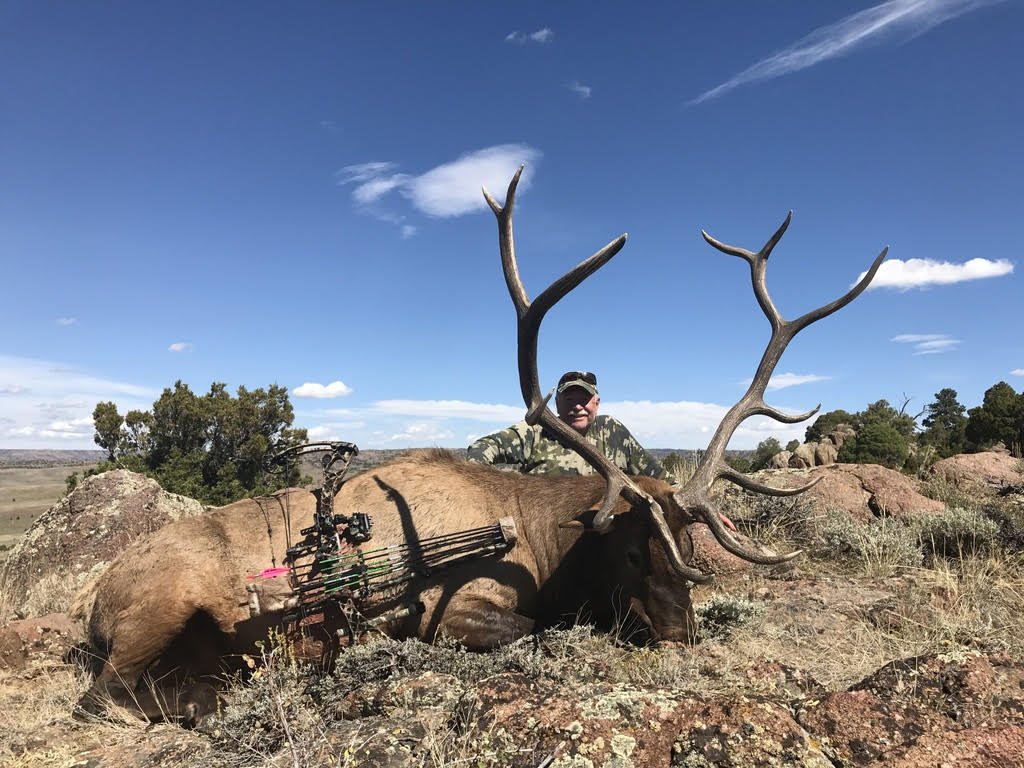
Dennis Wehling with a lethal outcome on a Wyoming bull elk.
Doc’s Ramblings
Now, I haven’t owned a TV since 1994. However, I just spent seven weeks in the hospital, following some major foot surgery, and had little to do but watch a lot of TV, much of it on an outdoor channel. I noticed a problem, and I had little to do except think about it.
Across the United States, the number of hunters has been steadily declining for decades. While a changing society,urbanization, and shifting attitudes toward wildlife all play a role, one of the most significant—and under-discussed—factors is the increasing age restrictions placed on hunting. As fewer children are introduced to the sport at a young age, the pipeline of future hunters is shrinking. This trend poses a threat not only to the traditions and skills honed over generations but also to the wildlife conservation model that relies heavily on hunter’s participation. To reverse this trend, it is crucial that every hunter, regardless of age or experience, becomes actively involved in youth hunter programs.
For many Americans, the story of learning to hunt starts in childhood. It is often a rite of passage: a parent or mentor teaching firearm safety, wildlife ethics, and respect for nature. The lessons go far beyond marksmanship or bagging game. They include patience, responsibility, and a deep appreciation of the outdoors.
I began learning to hunt at just six years old. Dad would give me one .22 Long Rifle cartridge for my Remington 521T rifle, a firearm I still have, and send me off to hunt whatever legal game I could find. If I brought an animal home, I could have another cartridge and head back to the woods. As long as I made every shot count, I could carry on hunting all day. If, however, I used that cartridge and didn’t bring an animal home, I was through hunting for the day. Tomorrow was a new day, and I could start over.
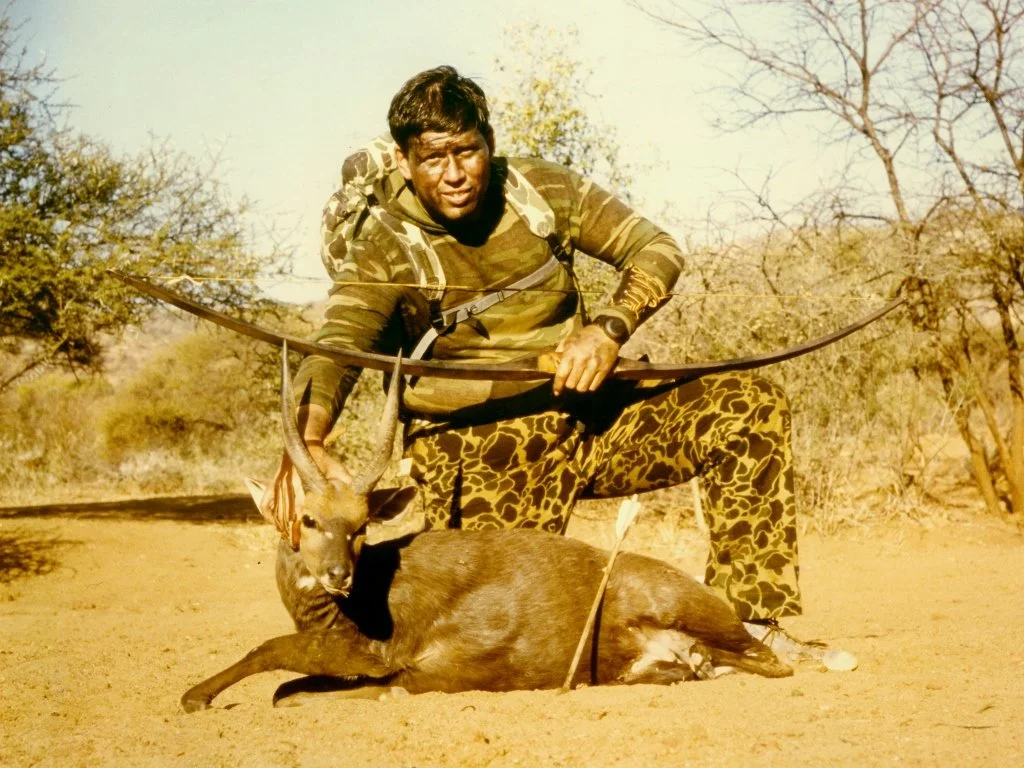
Dr. Ed Ashby with a southern bushbuck
Now, before everyone starts harping on how irresponsible parenting that was, Dad was an NRA-certified instructor. He started me shooting at age 4, and I shot in my first rifle match at age 5. However, before I fired my first shot, I had to be able to name every part of my rifle and recite the NRA’s ten cardinal rules of firearms safety by memory. After that, I spent countless hours carrying my unloaded rifle around while following my father around as he hunted. At all times, I had to treat my rifle as if it were loaded until Dad was satisfied I knew safe firearms handling. Only then was I allowed to start firing my rifle, and I only began hunting with it after I had fired many hundreds of rounds and developed proficiency at the rifle range.
These experiences fostered independence, discipline, and accountability. Each hunt was more than a pursuit; it was a lesson in life.
Contrast this with today’s reality. Over the past several decades, many states have enacted age restrictions on hunting licenses, often requiring children to reach a certain age—sometimes 10, 12, or 16—before they can legally hunt, even under adult supervision. While well-intentioned, these regulations have contributed to a dramatic decline in the number of young hunters.
In some states, mentorship programs and exceptions exist, but the overall effect has been to delay or deter the introduction of children to hunting. The result: when children reach the age at which they are legally allowed to hunt, many have already found other interests or lack the foundational skills, confidence, or family connection to the sport.
The reduction in hunter numbers is not just a cultural loss—it has real-world consequences for wildlife conservation. In the U.S., hunters fund the vast majority of state wildlife conservation efforts through the purchase of licenses and tags, and through taxes on firearms and ammunition. These funds support habitat restoration, wildlife management, and educational programs that benefit all citizens, hunters, and non-hunters alike.
With fewer hunters, conservation funding is jeopardized. Wildlife populations and habitats suffer, and the tradition of responsible, ethical hunting is at risk of fading away. Furthermore, as the average age of hunters rises, the long-term sustainability of these funding streams is in question.
Given these challenges, it is more important than ever for current hunters to actively support and participate in youth hunting programs. This means more than just taking a child into the field once or twice. It requires advocacy for sensible, mentorship-based hunting laws, volunteering for youth events, supporting hunter education programs, and serving as positive role models.
Mentors play a pivotal role in passing on not just skills, but the ethos of respect, stewardship, and safety. By guiding young hunters, experienced sportsmen and women can ensure that the next generation is prepared to carry on the tradition responsibly.
The tradition of hunting in America is at a crossroads. If current trends continue, the number of hunters—and consequently, the funding and advocacy for wildlife conservation—will dwindle. But the solution is within reach: by lowering artificial barriers to youth participation and ensuring every child who wants to learn has the opportunity, hunters can secure the future of their sport and the wild lands they love.
Every hunter has a stake in this outcome. Whether by mentoring a young hunter, advocating for sensible regulations, or supporting education programs, the responsibility is clear. The next generation—and the future of conservation—depends on it.
Donations
The Ashby Bowhunting Foundation is a 501 (c) (3) education and research organization. 100% of your donation will go to the Missions of Ashby Bowhunting Foundation. No salaries are paid by the Foundation. We realize there are many worthwhile organizations out there, and greatly appreciate your consideration and support.

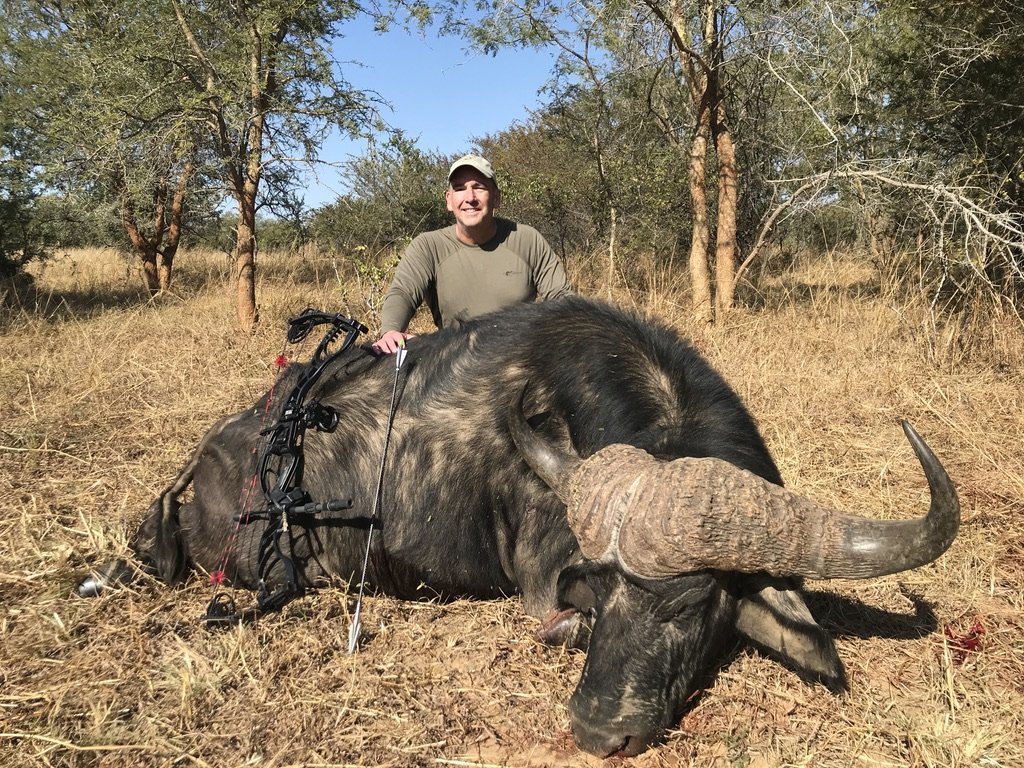
Dennis Wehling combines a well-placed shot with a lethal arrow system.
Accuracy and Lethality Tip
By Dennis Wehling
Determining a bowhunter’s maximum effective range isn’t just about how tight your groups look on the range—it’s about finding the intersection between your shooting ability and your arrow system’s true lethality.
Too many bowhunters fall into the same trap: if they can consistently hit the kill zone on foam or paper, they assume that success will carry over to the field. Unfortunately, it’s not that simple. A well-placed shot is essential, but accuracy alone doesn’t guarantee a quick, humane harvest.
Lethality is the other half of the equation—and it’s just as critical. It’s defined not only by your shot placement, but by the performance of your arrow system when it matters most. Arrow build, broadhead design, and overall setup all influence whether your shot results in an ethical outcome.
That’s where the Ashby Foundation comes in. Their mission is to educate bowhunters on building the most lethal arrow systems possible by understanding and applying the 12 Factors.
Because in the end, responsible bowhunting isn’t just about hitting the mark—it’s about ensuring the job gets done right.
Lessons from the Ladies
By Bob Barnette
Vice-President, Ashby Bowhunting Foundation
I live in Texas, and my family owns property in the deer-rich Hill Country region, so most of my bowhunting is for whitetails. It’s not a high-fence ranch, and we do our best to manage our property for a healthy deer population and qualitybucks so shooting does is an important part of our strategy. Of course they are also good for the freezer, so I take does whenever I can.
When starting out as a bowhunter long ago I realized very quickly that a mature whitetail doe is super smart and hard to kill – in my experience much harder than a buck. I’ve had my proverbial head handed to me more times than I can count by a doe after fumbling a promising situation! When I teach Bowhunter Education one of the points I make is that the best bowhunting teacher is a mature doe. This master class never ends, and the learning is life-long!
Here are some of the bowhunting lessons I’ve learned the hard way from the ladies in the field:
Be direct - be ready for opportunity, but be ready to adapt your plan on a moment’s notice. Be deadly serious!
Be polite - have good manners! Don’t cough, spit, make weird movements, or look away when engaged. Don’t waste time - Theirs or yours. Shoot when you have an acceptable opportunity; don’t wait for the “perfect” opportunity.
Don’t waste time - Theirs or yours. Shoot at the first opportunity for a shot you know you can make. Waiting too long to make my move has cost me more chances than I like to admit!
Does hear everything - be mindful of noises from your clothing or gear. Knocking an arrow or clumsily clipping on your release aid in the presence of a mature doe will sound like thunder to her. A bow that is noisy upon the shot is problematic too. Dead calm winds are the most challenging situation for noise control. Anything you can do to mitigate noise is valuable.
Does may be able to read your mind - they can act like they know what’s about to happen and become amazingly attentive to the slightest impropriety in their surroundings. Sixth sense? Maybe 7th and 8th senses too? You’re playing checkers, while she is playing chess. Work harder to outsmart her to get your opportunity!
Your mistakes will not be tolerated - Does never forgive you! And you are boldly punished by their quick departure.
Whitetail does make you a better hunter! Successful bowhunting is about mastery of details - not only the nuanced variables in the setup of your bow and your skill in shooting it, but also the study of the animals you hunt and the endless drama of predicting and anticipating their behavior so that you know when to make your move. This is true regardless of what critters you hunt with a bow, but to me a whitetail doe is the Professor Emeritus of bowhunting’s toughest lessons!
On a side note, those who have a spouse or significant other may recognize that many of these lessons apply to our human interactions as well. Hunting teaches invaluable Life Lessons!

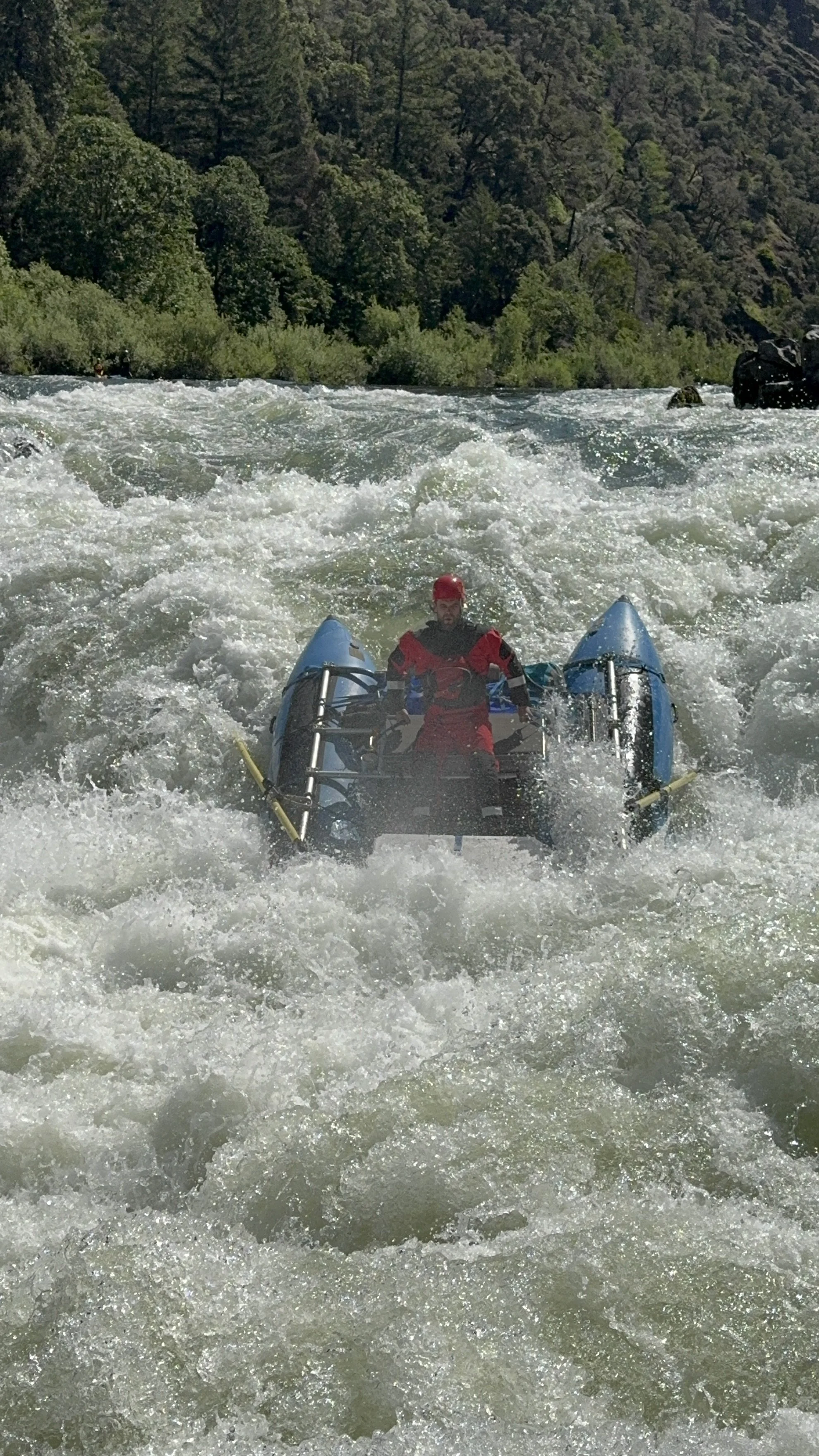
Forward of Center – Physics Doesn’t Care Whether It’s an Arrow or a Raft
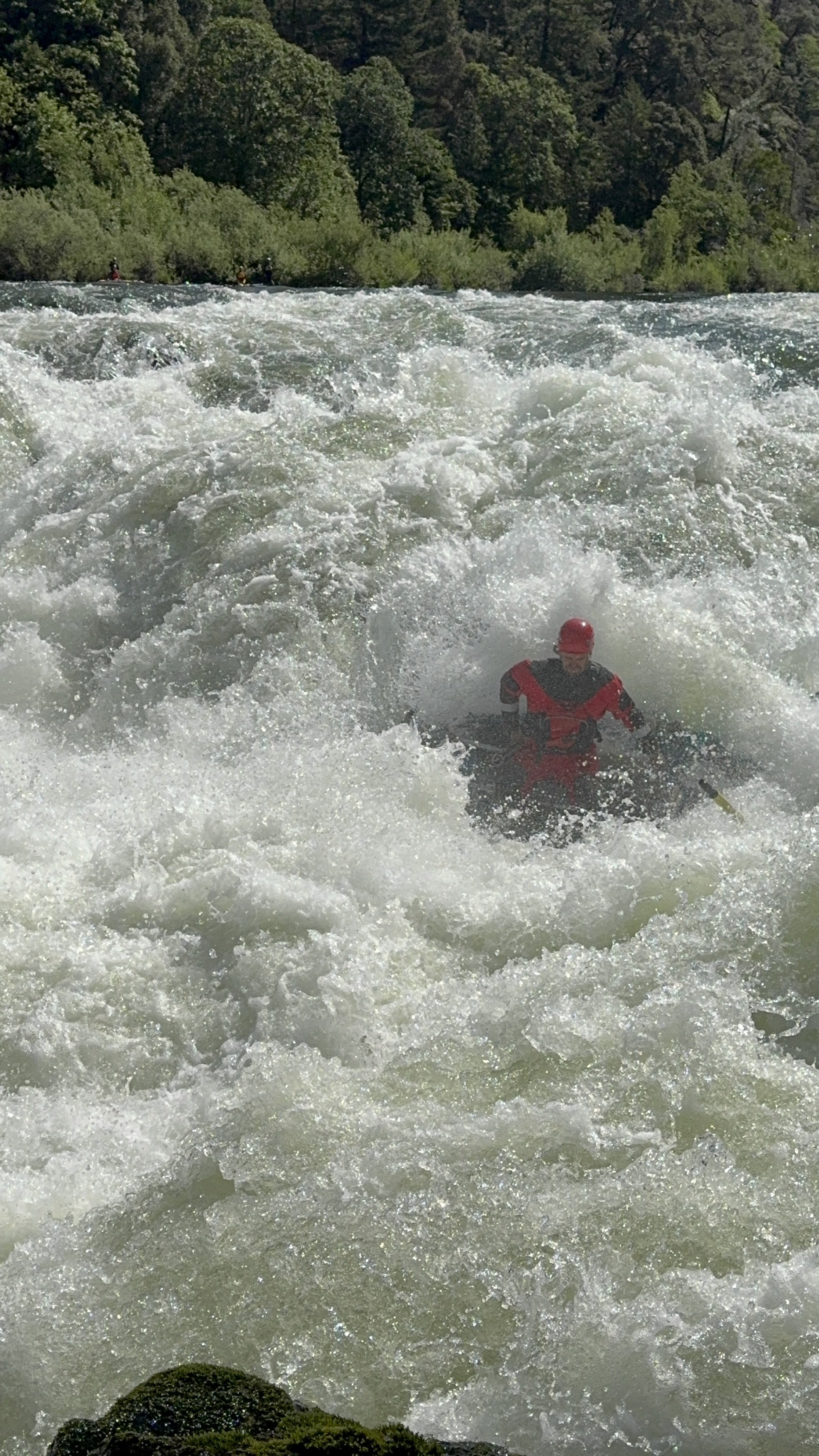
Forward of Center – Physics Doesn’t Care Whether It’s an Arrow or a Raft
by Jeremy Johnson
There are certain moments in life when physics becomes very real.
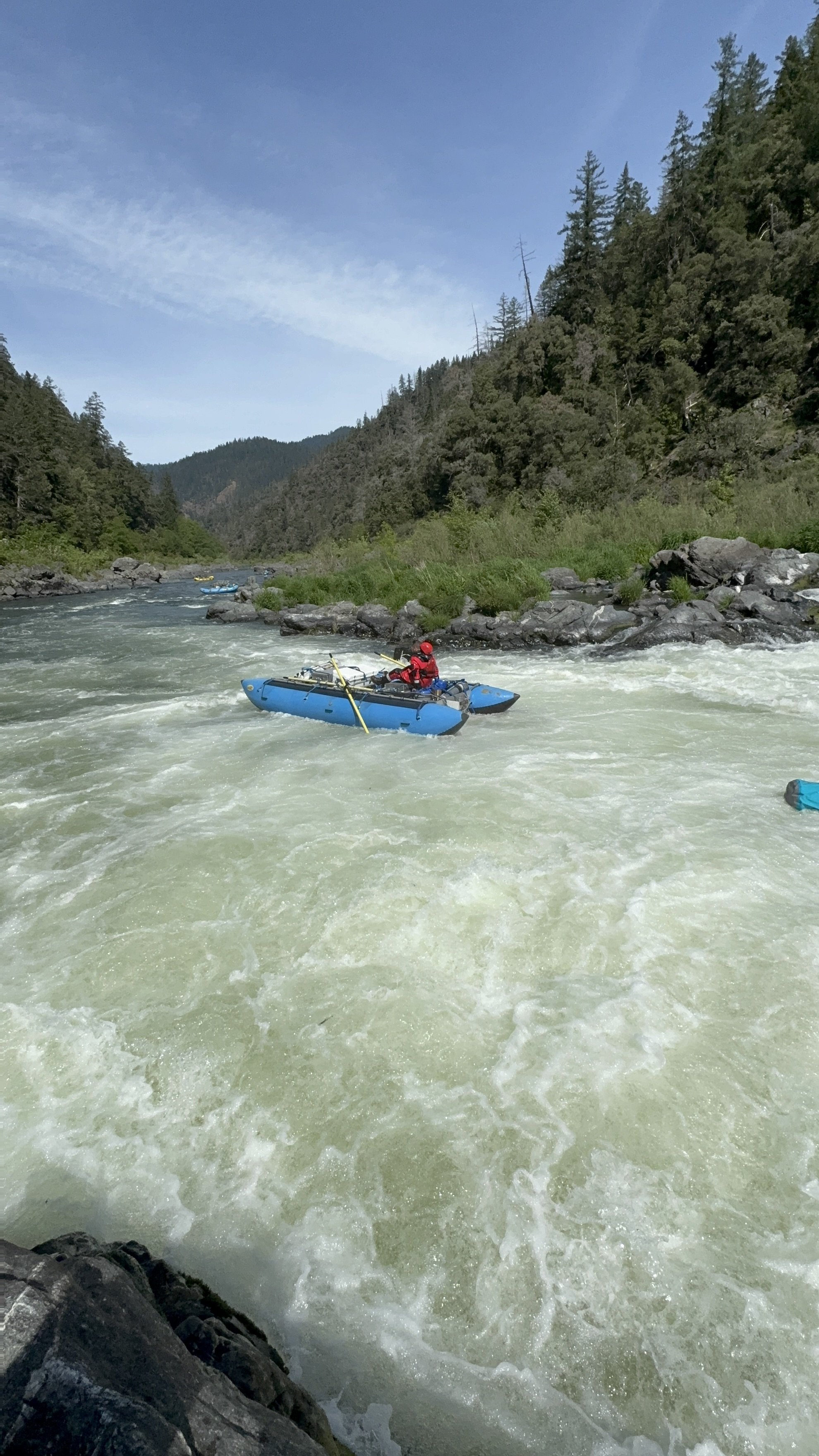
For me, one of those moments happened recently on the Lower Rogue River at Rainie Falls.
Every spring, I like to get together with an ever growing group of guys from my cousin’s church who run the Wild and Scenic section of the Rouge River. This year with such a dry winter the water flows were at summer levels lows. At this water level I knew my raft would be too large to fit down the fish ladder that bypasses the falls. I had only one option left: run the falls.
If you’ve spent any time around the Rogue, you already know Rainie Falls is no joke. At the flows we had, it was a violent hydraulic mess capable of swallowing full-sized rafts. Before the trip, I watched every video I could find of successful and mostly unsuccessful runs through the rapid. What caught my attention was the pattern.
The unsuccessful runs almost always looked the same.
The raft would drop into the hydraulic, disappear under the surface, then explode upward out of the boil. The sudden upward surge would eject anyone on board from the raft. In many cases the raft flipped, gear scattered everywhere, and the river took control.
As I watched video after video, I remember thinking:
“I know how to fix that — FOC.”
Forward of Center.
The exact same principle we talk about in arrow performance.
So I loaded the heavy gear and my Cabela’s Drybag full of firewood toward the front of the raft. Then I rigged hand straps onto the dry box because I knew once that raft resurfaced, it was going to hit like a freight train.
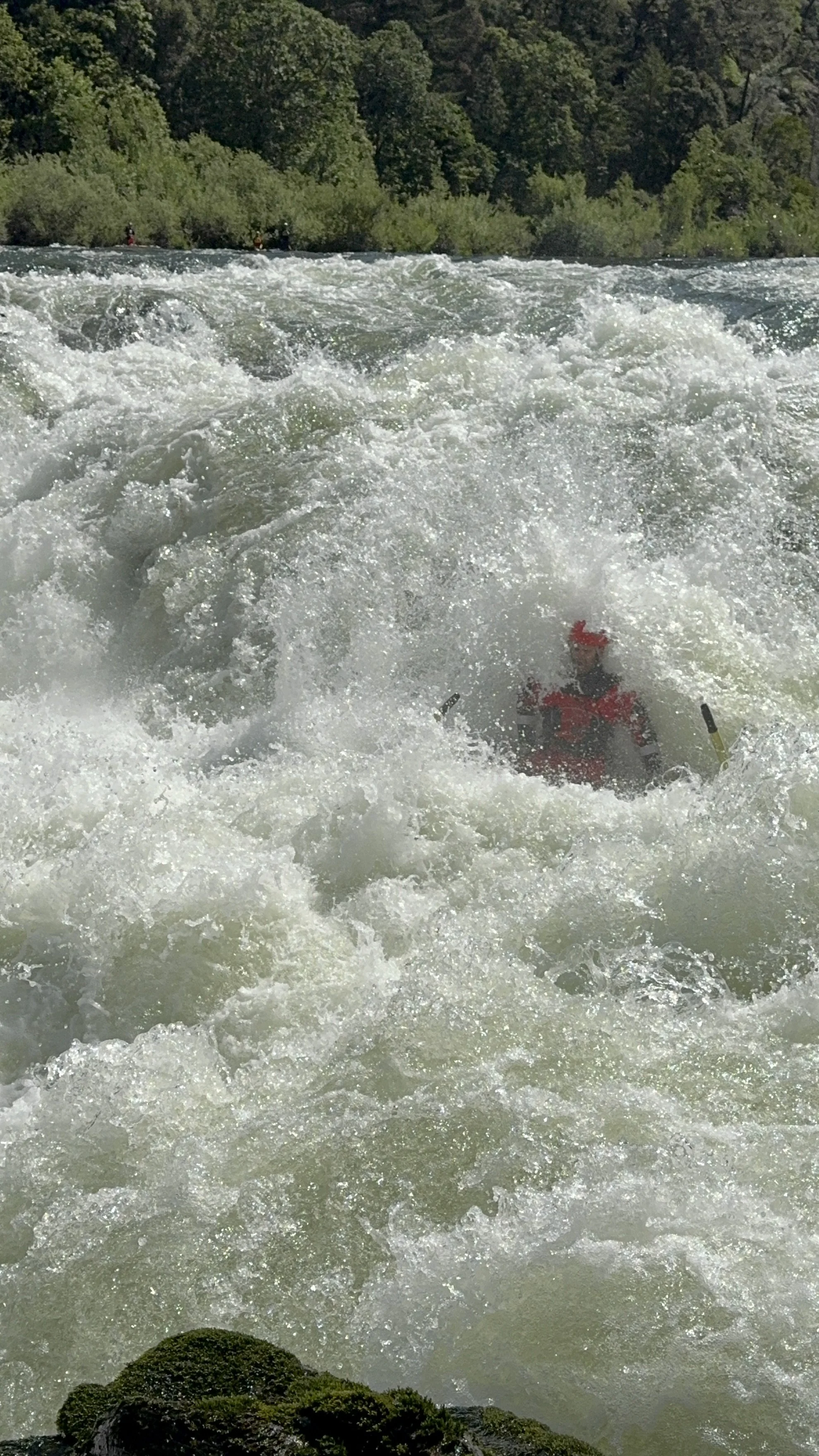
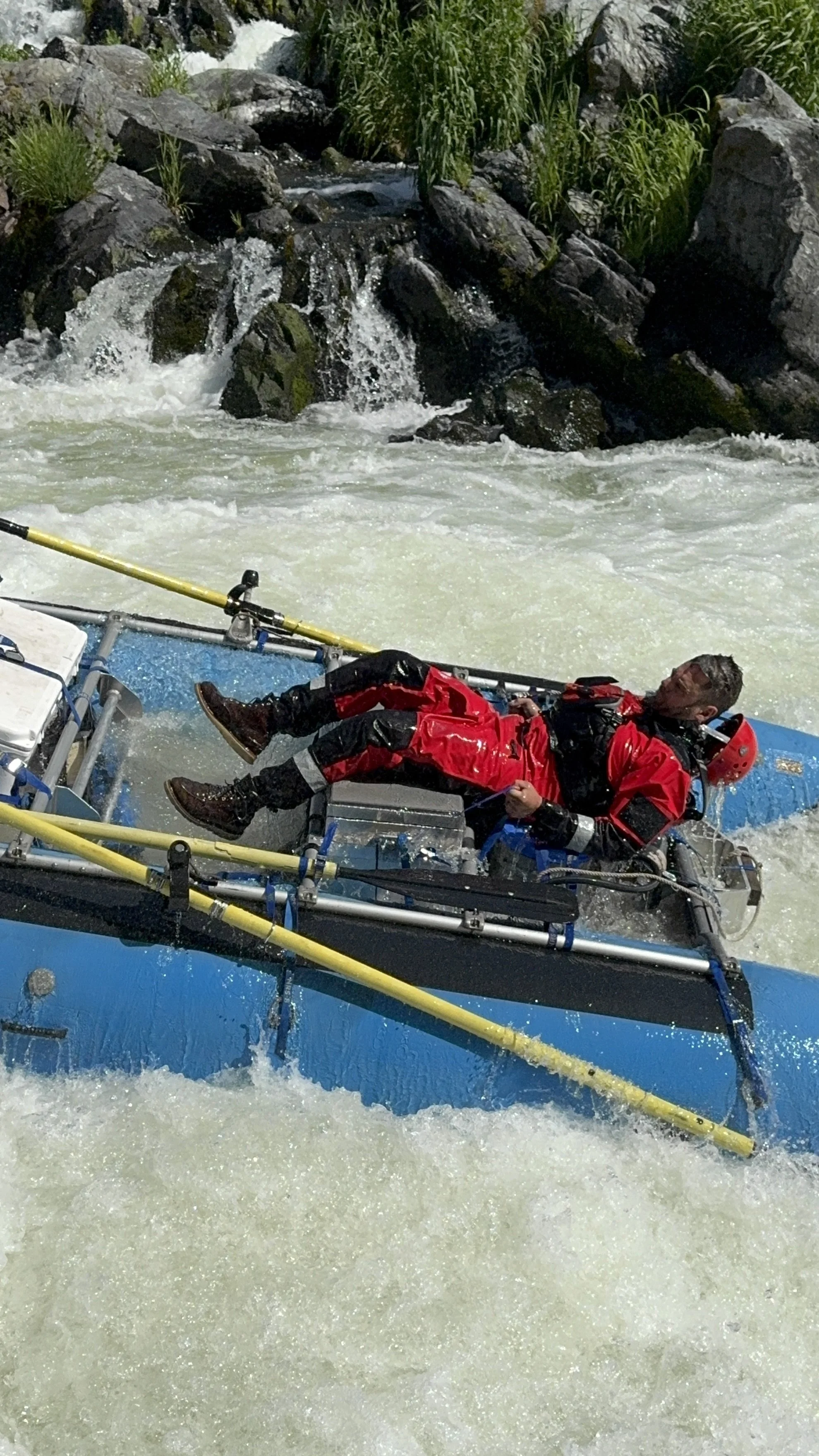
When we dropped into the falls, the hydraulic force instantly buried the entire 18-foot cataraft underwater. The force shoved me flat against the dry box and gear behind me while the raft drove beneath the surface.
Then it happened.
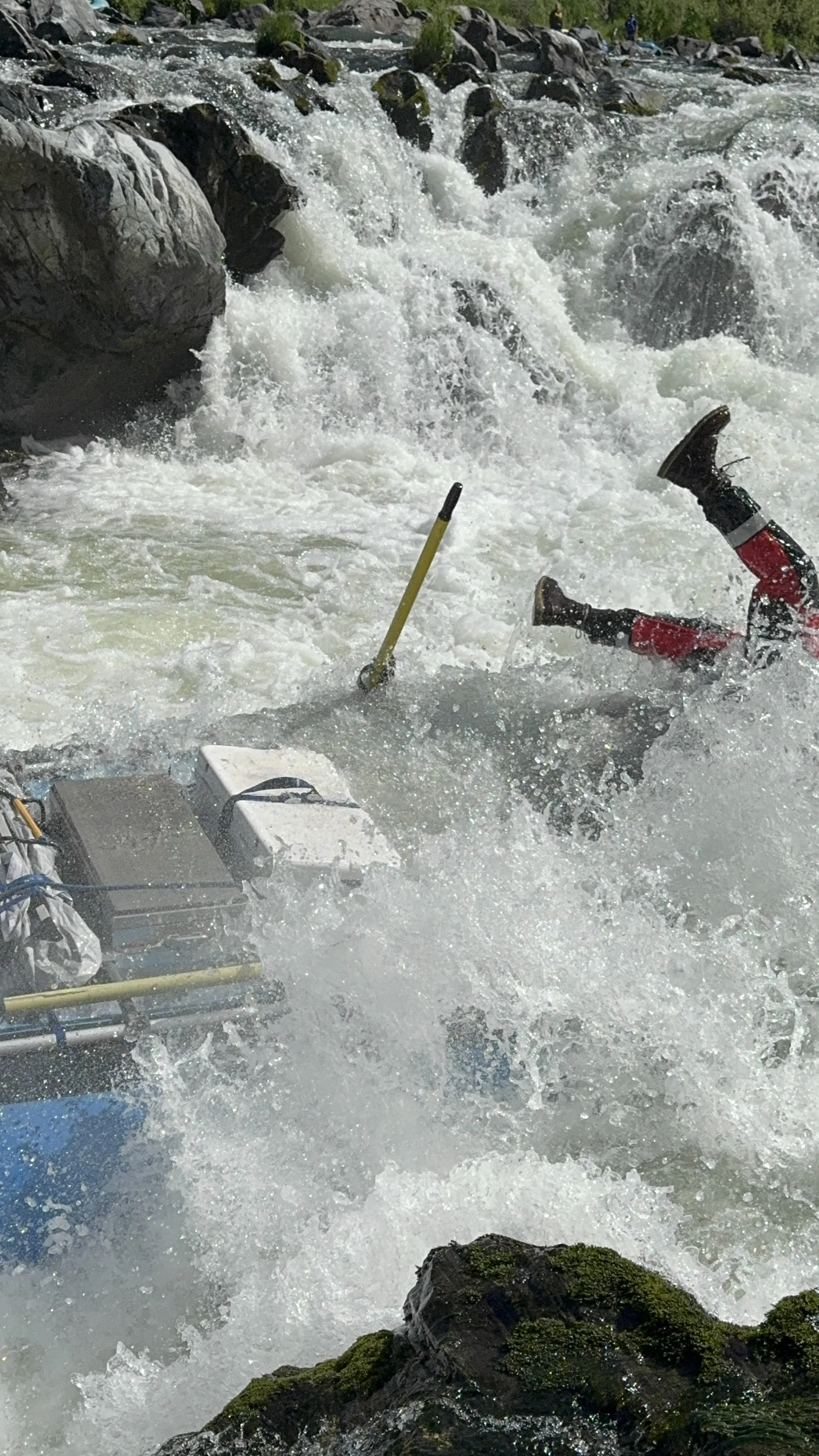
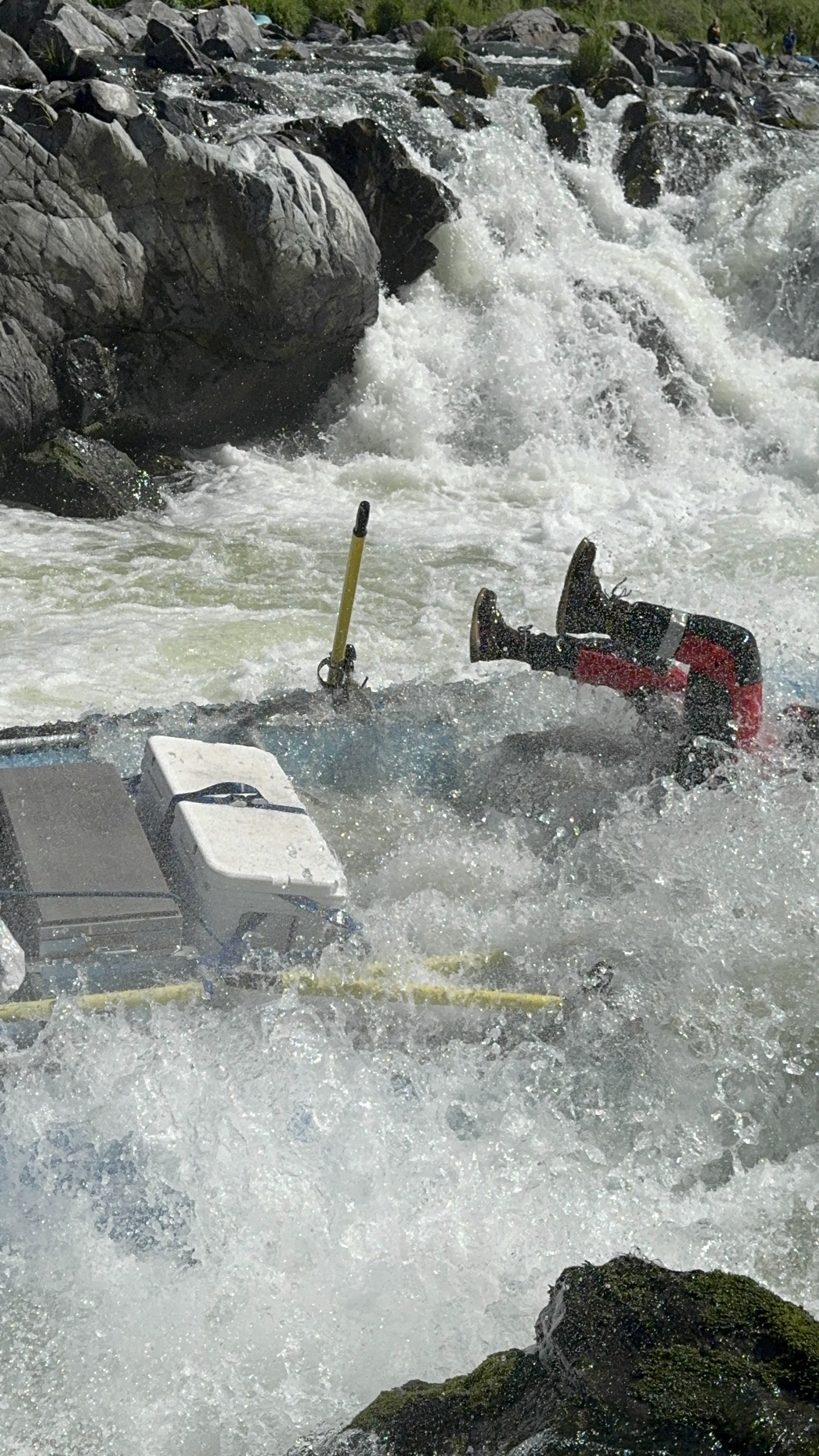
The raft rocketed upward out of the boil exactly like all the others I had watched on video.
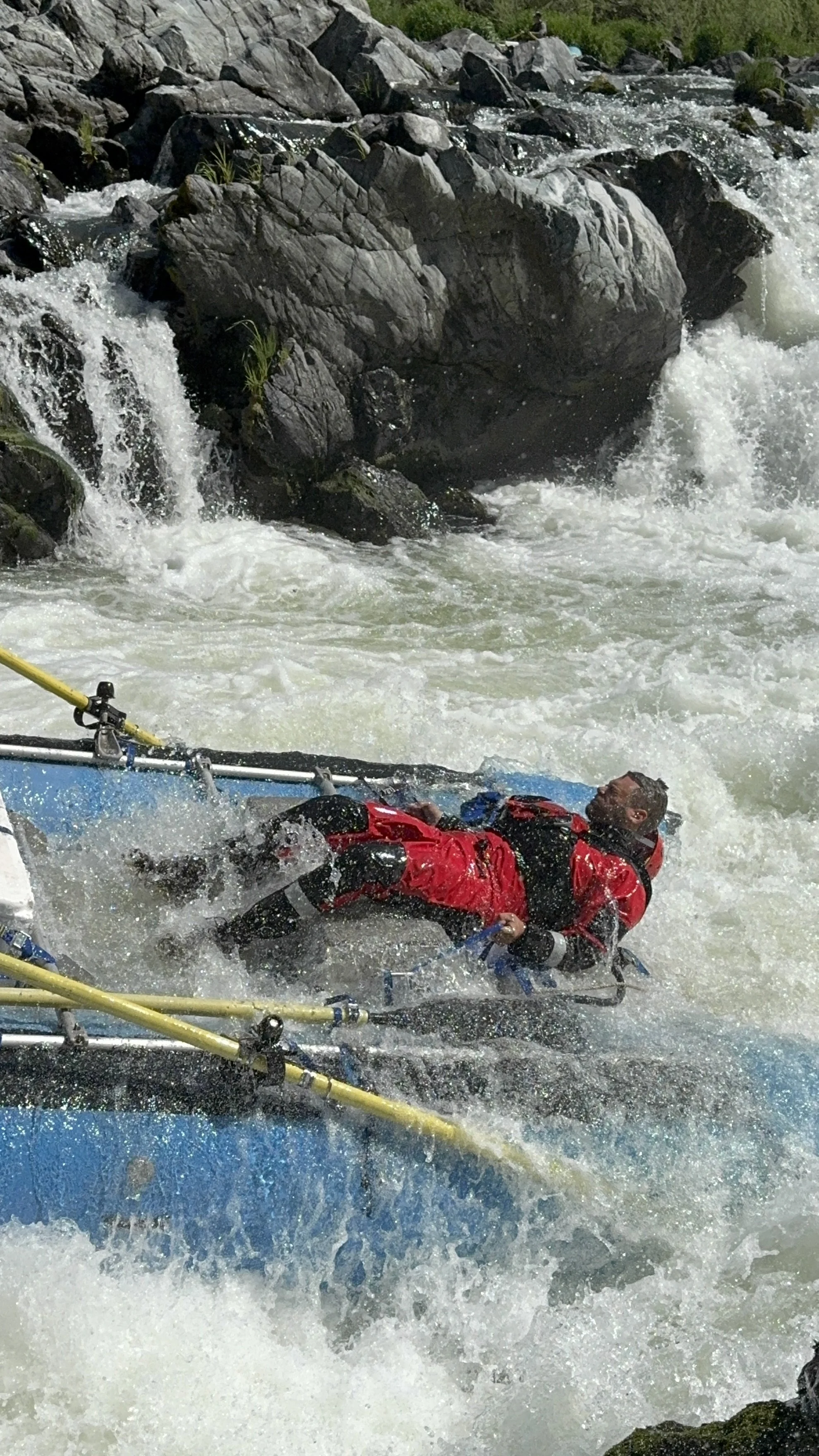
But this time, instead of the bow launching skyward and throwing me out, the extra weight forward stabilized the raft and kept it driving ahead. It stayed upright through the chaos and gave me a stable platform to hang onto while the river tried its best to rip me off of it.
The straps probably saved me from going swimming, but the FOC is what kept the raft from overturning.
Physics is a wonderful and predictable thing.
And physics doesn’t care whether the object is an arrow or a raft.
The same principle that stabilized that raft in violent hydraulics is the same principle Dr. Ed Ashby uncovered during his terminal arrow performance studies decades ago.
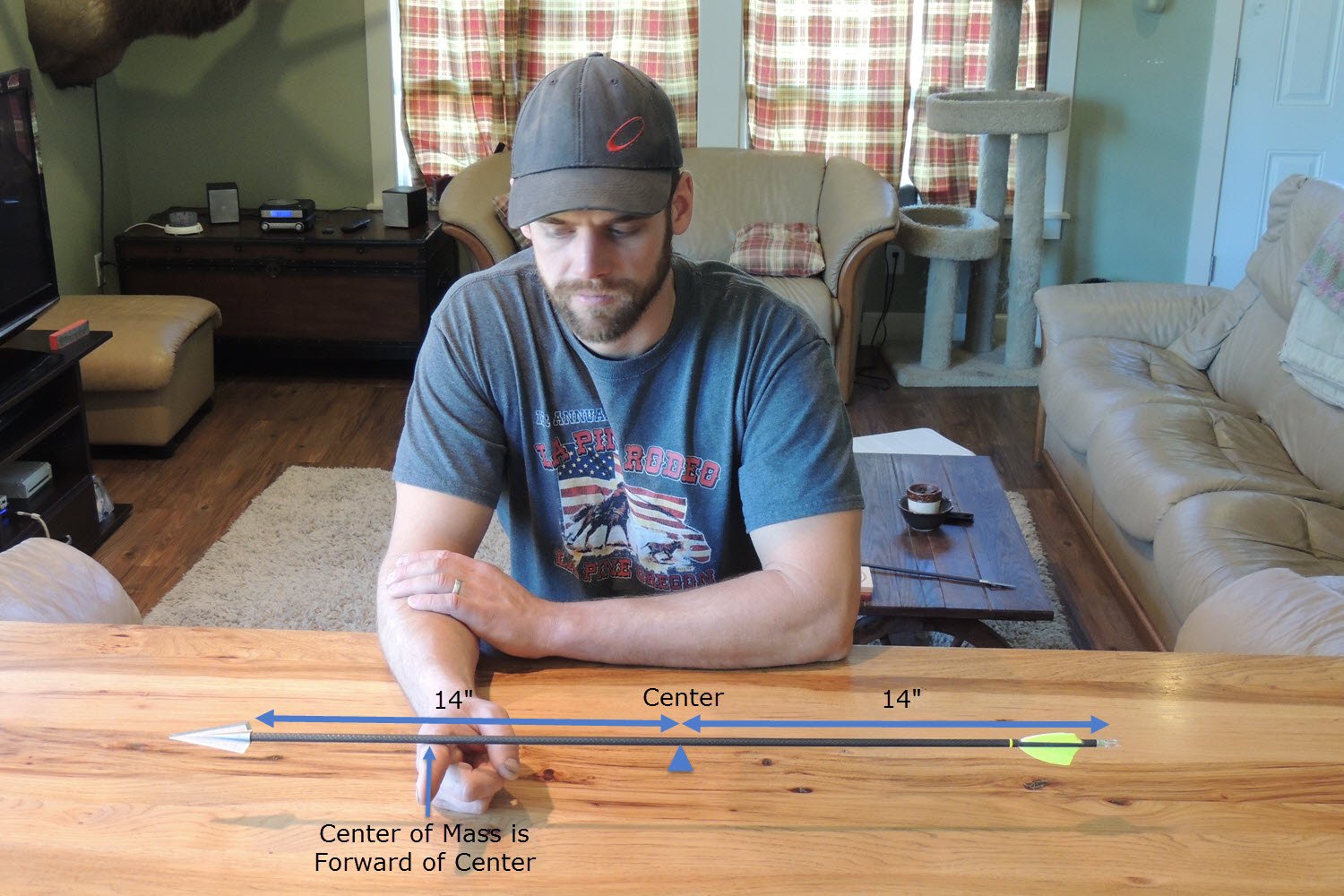
For years, most bowhunters viewed Forward of Center simply as an aid to arrow flight and accuracy. But Ashby’s research revealed something far more important: high FOC dramatically improves penetration and stability during impact.
Why?
Because when the majority of an object’s mass is positioned toward the front, it resists being knocked off course.
A properly balanced arrow keeps driving forward when resistance is encountered. Bone, muscle, hide, angled impacts, and tissue drag all attempt to redirect the shaft. High FOC helps the arrow maintain direction and stability through that resistance.
The exact opposite is also true.
An arrow with poor weight distribution is easier to deflect, easier to destabilize, and more likely to waste energy flexing and oscillating instead of penetrating. Ashby’s work showed penetration gains as high as 60% in some setups when extreme FOC systems were used correctly.
That shouldn’t surprise us.
We already use this principle everywhere else in life.
Darts fly point-forward because the weight is in front.
Spears penetrate best when mass is biased toward the tip.
Even whitewater rafts behave better in violent hydraulics when the center of mass is moved forward.
The laws of physics remain constant regardless of the object involved. As I wrote in my book, physics is the authority governing arrow performance, whether we acknowledge it or not.
The bowhunting world spends a tremendous amount of time chasing speed. But speed alone is not stability. Speed alone is not penetration. And speed alone is not insurance when things go wrong.
That’s where a properly designed arrow system matters.
A heavy, structurally strong, high-FOC arrow system acts like a bowhunter’s “Plan B.”
When an animal moves.
When a shoulder gets in the way.
When impact angles aren’t ideal.
When resistance tries to redirect the arrow.
That extra stability and forward-driving force becomes incredibly important.
The reality is that animals, rivers, and life in general are all dynamic. Things rarely happen exactly according to plan. But physics remains dependable.
That day on the Rogue River reinforced something I already believed deeply from years of studying arrow performance and hunting large animals:
When enough weight is positioned forward, moving objects become dramatically harder to destabilize.
An arrow.
A raft.
Or just about anything else traveling through resistance.
Physics doesn’t play favorites. It simply rewards proper design.